
In-Depth Analysis of the Jebel Ali Palm Project
Intro
The Jebel Ali Palm Project stands as a remarkable landmark in the landscape of Dubai's real estate development. Born from a vision aiming to enhance the city's appeal and urban efficiency, this project showcases not just architectural ingenuity but also a deep understanding of economic trends and environmental responsibilities. The intricate design of the Palm, along with its strategic location, is crafted meticulously to cater to the growing needs of a diverse population, making it a prime area for residential and commercial investments.
With Dubai's rapid transformation into a global hub, the Jebel Ali Palm Project serves as an essential touchpoint for investors, homebuyers, and realtors seeking insights into the ever-evolving market. As we navigate through various aspects like market trends, investment opportunities, and potential challenges, it becomes evident that the future prospects are brighter than a desert sun.
What To Expect
In the upcoming sections, we will dissect key facets of the project:
- Market Trends: We will look into current property prices and rental insights that paint a vivid picture of the market.
- Investment Opportunities: This will include a discussion on the best neighborhoods for potential investments and upcoming developments that promise high returns.
Through this exploration, stakeholders will glean not only the past and present but also a forward-looking perspective on what the Jebel Ali Palm Project holds for the future.
Prolusion to the Jebel Ali Palm Project
The Jebel Ali Palm Project is not just another real estate venture; it stands as a landmark in Dubai's ambitious urban development narrative. Its inception, defined by boldness and ingenuity, aims to reshape the region's architectural landscape and bolster its economic fabric. Understanding the significance of this project is crucial for investors, homebuyers, and realtors alike, as it holds the potential to redefine luxury living and commercial surroundings in the UAE.
The importance of this project can be distilled into several essential elements:
- Innovative Design: Jebel Ali Palm promises a unique blend of nature and modernity. Its architectural marvels will ensure a remarkable visual and experiential appeal, appealing to both residents and visitors.
- Economic Catalyst: The project is positioned to act as a significant driver of economic activity in Dubai. By providing new business opportunities and promoting tourism, it supports the city’s economy during a time of global shifts.
- Community Enrichment: This isn’t just about dwellings or office spaces. The Jebel Ali Palm Project aims to foster a vibrant community atmosphere, integrating homes, recreational areas, and social amenities in a harmonious setup.
- Luxury and Sustainability: The goal isn’t simply to offer luxury but to marry that luxury with sustainability. The focus on eco-friendly practices sets a positive precedent for future developments in the region.
In this section, we will delve into the historical context surrounding the project, exploring how it came to be, as well as the vision and objectives that underline its establishment.
Historical Context
The Jebel Ali Palm Project was conceived against the backdrop of Dubai's rapid transformation from a humble trading post into a global powerhouse. The late 20th century marked a turning point for the Emirates, with the discovery of oil and subsequent economic development paving the way for ambitious urban projects. The Palm Islands, initially conceived in the 1990s, set a precedent for iconic developments. They demonstrated that Dubai could push the boundaries of what was architecturally possible.
Jebel Ali, originally focused on industrial growth, began to transform as its proximity to the Arabian Gulf became more valuable. This project emerged as an opportunity to capitalize on that location, blending residential needs with commercial aspirations. Historical landmarks nearby—such as the Global Village and Al Maktoum International Airport—illustrate the strategic planning that guides the region's development, positioning the Jebel Ali Palm as the jewel in this evolving crown.
Vision and Objectives
The vision for the Jebel Ali Palm Project is straightforward yet ambitious. Developers intend to create a self-sustaining estate that marries luxury with accessibility and environmental stewardship. Some key objectives include:
- Creating a World-Class Destination: The project aspires to become internationally recognized, catering to those attracted to Dubai’s allure, whether they are tourists or potential residents.
- Fostering Economic Diversity: Emphasizing various sectors—residential, commercial, retail—and tourist services, the project seeks to diversify Dubai’s economy, reducing its dependence on oil revenues.
- Sustainable Urban Living: Adopting smart technologies and eco-friendly infrastructures is central to its vision. The goal is to create an ecosystem where nature thrives alongside human activity.
"The Jebel Ali Palm Project represents Dubai's commitment to innovative urban development, and its potential to shape the future of real estate in the region is unparalleled."
In essence, this project not only aims to be a new standard for luxury living but also a cornerstone of Dubai’s future growth trajectory. The foundational context and pragmatic objectives set the stage for a transformative undertaking that promises to be both unique and impactful.
Project Overview
The Jebel Ali Palm Project stands as a monumental undertaking in the horizon of Dubai's real estate landscape. This section delves into the various facets that make up the project, focusing on the geographical landscape, architectural design, and the phase development plans that underpin its execution. Understanding these elements is crucial for comprehending the broader significance of the project in attracting investment, enhancing suburban living, and bolstering the local economy.
Geographical Landscape
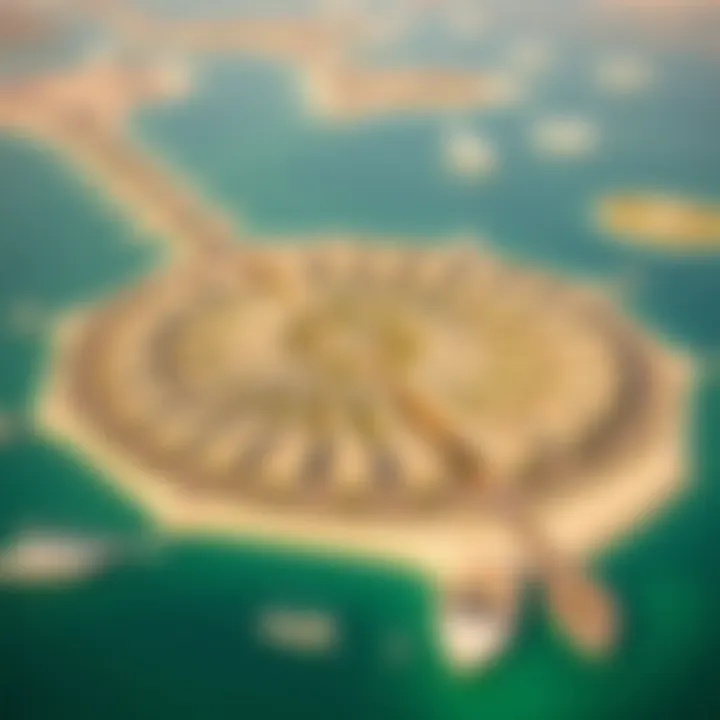
Located off the southwestern coast of Dubai, the Jebel Ali Palm Project takes inspiration from the iconic Palm Jumeirah, yet is distinct in its positioning and design. The geographical considerations are significant.
- Coastal Benefits: The project is nestled along the Arabian Gulf, providing not just picturesque views but also a strategic advantage in terms of tourism and commercial activities.
- Accessibility: It lies close to critical transport routes, including major highways and the Dubai Metro, ensuring seamless connectivity for residents and businesses. This is a pivotal point for investors looking into easier access to the buzzing heart of Dubai while still enjoying a more tranquil residential environment.
- Ecological Factors: The geographic elements also pivot around considerations of local flora and fauna, as developers aspire to maintain ecological balance while transforming the landscape. This presents an opportunity to integrate green spaces within a heavily urbanized area, which is essential for future sustainability.
Architectural Design
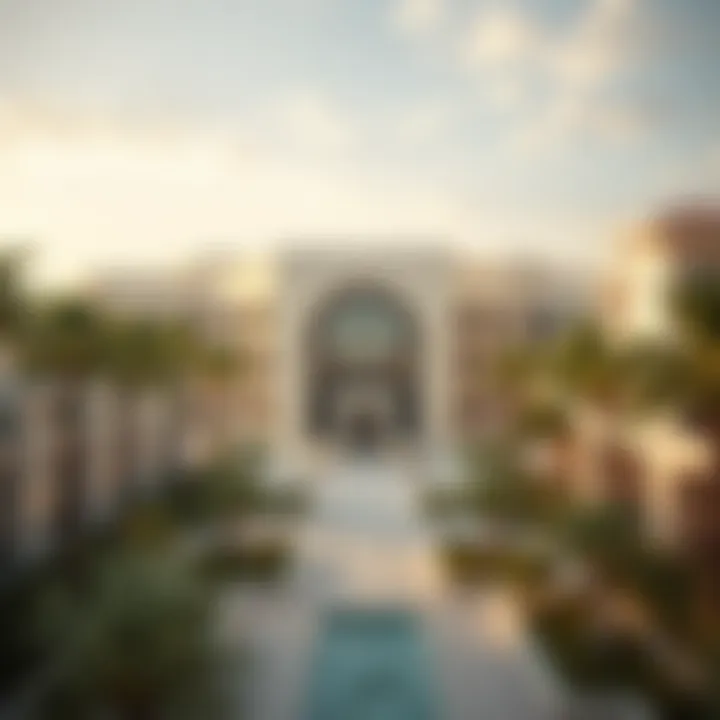
The architectural design of the Jebel Ali Palm Project is a fine blend of innovation and cultural influence, reflecting both modern tendencies and traditional motifs.
- Visionary Concepts: Architects are notably focusing on sustainable design principles. Energy-efficient materials and smart building technology feature prominently, enhancing the overall aesthetic while reducing environmental footprints.
- Community-Centric Layout: The design emphasizes community living, with dwellings organized to foster social interactions. Public parks, recreational areas, and communal facilities are strategically placed, encouraging a vibrant community life that aims to attract families as well as singles.
- Iconic Features: There is a strong emphasis on integrating architectural vernacular that resonates with the local culture, marrying the modern with the traditional. This reflection of identity is expected to enhance the project's appeal, making it not just a place to live but a landmark in its own right.
Phase Development Plans
The Jebel Ali Palm Project is not simply an overnight construction effort but rather a meticulously planned endeavor unfolding in phases.
- Phase One – Infrastructure Development: Early stages focus on establishing essential infrastructure. Roads, utilities, and environmental considerations take center stage before the actual residential and commercial structures rise.
- Phase Two – Residential Pods: Once the groundwork is set, the construction of living spaces begins. This phase aims to offer a range of housing options, from luxury villas to affordable apartments, catering to a diverse demographic.
- Phase Three – Commercial Spaces: Finally, the integration of commercial properties. Shopping centers, office spaces, and leisure facilities will flourish in the later stages, ensuring that the project serves as a self-sustaining community. The emphasis remains on creating an environment where residents can work and live in proximity, minimizing the need for travel.
Overall, the project outline presented here accentuates the complexities and thought that goes into each stage of development. Investors, homebuyers, and real estate professionals alike are drawn to the multifaceted potential this ambitious project entails. The Jebel Ali Palm Project isn't just an investment—it's reimaging the way urban life in Dubai can coexist harmoniously with powerful architectural expression and nature.
Economic Significance
The Jebel Ali Palm Project stands out not just for its innovative design and geographical advantages but also for its monumental economic significance. This section delves into various elements relevant to the economic framework, examining how this project paves the way for investment opportunities, job creation, and overall enhancement of the local economy.
Investment Opportunities
The Jebel Ali Palm Project opens a treasure chest of investment avenues that can catch the fancy of both local and foreign investors. With Dubai fostering a thriving real estate market, the project is poised to attract significant capital. Investors can explore opportunities ranging from residential properties to commercial spaces. High demand is anticipated due to its unique position and desirable features, making it a lucrative venture for those looking to dip their toes into the Dubai market.
Investors can consider the following:
- Luxury Residential Units: The appeal of living near the coast cannot be overstated. With plans for upscale residential areas, buyers can expect properties tailored for the discerning homeowner.
- Commercial Real Estate: As businesses seek strategic locations, commercial spaces within the project become prime targets for retailers and service providers, fueling demand.
- Tourism-Driven Investments: With amenities that align with Dubai's tourism focus, potential for return from hospitality-related investments looks promising.
The project's alignment with Dubai's broader economic goals makes these investment opportunities particularly compelling.
Employment Generation
The potential for employment generation is a cornerstone of the Jebel Ali Palm Project’s economic significance. As construction kicks into high gear, the demand for both skilled and unskilled labor will surge. Construction jobs bring immediate direct employment, while also stimulating a ripple effect in other sectors.
Consider the following employment prospects:
- Construction Jobs: From engineers to laborers, the initial phase will create thousands of jobs.
- Long-Term Employment: Once operational, the project will stimulate roles in management, maintenance, and customer service sectors within the residential and commercial domains.
- Indirect Job Creation: Spinoff opportunities in transportation, logistics and supply chain services will emerge, benefiting local businesses.
*"Investment in real estate means more than just properties; it means jobs, stability, and community growth."
Impact on Local Economy
The Jebel Ali Palm Project’s broad impact on the local economy is likely to transform the economic landscape of Dubai. The infusion of capital from investments and expenditures made during the development phase creates a multiplier effect, where the benefits trickle down to various economic segments.
Key impacts may include:
- Increased Consumer Spending: As jobs are created, disposable incomes rise, leading to higher consumer spending. This, in turn, fuels local businesses.
- Enhanced Infrastructure: To support the growing population and economic activities, upgrades in infrastructure such as roads, utilities, and public services will be necessary, benefiting the wider community.
- Tourism Boost: The Jebel Ali Palm Project will attract visitors, further promoting the local economy.
Environmental Considerations
The Jebel Ali Palm Project stands as not only a hallmark of architectural innovation but also as a testament to the value of environmental stewardship in massive real estate development. As one navigates the complexities of urban expansion, the importance of integrating sustainable practices and eco-friendly measures cannot be overstated. Investors, homebuyers, and local communities all have a vested interest in understanding how these environmental considerations affect the project's viability and future prospects. By embracing responsible development, the initiative has the potential to set a benchmark for future projects in Dubai and beyond.
Sustainability Initiatives
The sustainability initiatives woven into the fabric of the Jebel Ali Palm Project are aligned with global best practices in green urbanism.
- Water Conservation: Aimed at minimizing water wastage, the project incorporates advanced irrigation systems designed to promote efficient water use across the landscape. This is crucial in a region where water scarcity is often a concern.
- Renewable Energy Sources: Solar panels and wind turbines are being integrated into the project’s design. Utilizing natural energy sources not only reduces reliance on fossil fuels but also decreases utility costs for residents and businesses alike.
- Waste Management Strategies: A robust waste management plan is in place, encouraging recycling and composting. This lessens the environmental footprint and encourages a culture of sustainability among future occupants.
- Native Plant Landscaping: Planting local flora instead of exotic species not only conserves water but supports local biodiversity. This choice is critical for maintaining the ecological balance and providing habitats for native wildlife.
These investments in sustainability not only comply with global environmental standards but also represent a forward-thinking approach, crucial for attracting environmentally conscious investors and residents.
Ecological Impact Assessment
The ecological impact assessment (EIA) for the Jebel Ali Palm Project is a key component that has sparked considerable discussion among stakeholders. This assessment is not just a regulatory requirement; it serves multiple purposes that reflect the project’s commitment to environmentally sound practices.
The EIA evaluates various potential environmental effects:
- Biodiversity Analysis: It identifies the types of flora and fauna on-site and assesses how construction may disrupt these ecosystems.
- Soil and Water Quality Evaluation: This assesses how construction activities could affect local soil conditions and groundwater reserves. Protecting these resources is essential for both residents and wildlife.
- Air Quality Monitoring: Establishing measures to monitor emission levels helps in controlling the negative impacts of construction on air quality. This is particularly important in a bustling urban setting like Dubai.
- Community Engagement: A good EIA will include ongoing consultations with the local community, addressing their concerns and incorporating feedback into project planning.
Understanding the ecological impacts early on facilitates better design decisions that preserve the environment while still achieving the core objectives of development.
For further information on environmental practices in urban development, consider visiting:
Community Impact
The Jebel Ali Palm Project is not merely a grand architectural venture but also a potential game changer for the community around it. As Dubai continues to transform into a bustling metropolis, the ripple effects of this development reach far and wide. The significance of community impact cannot be overstated; it promises not only to enhance the living standards of local residents but also to attract people from diverse backgrounds, fostering a vibrant locale.
Residential Opportunities
Housing is one key piece of the puzzle when considering the community impact of the Jebel Ali Palm Project. The project aims to provide a wide range of residential options that cater to various demographics, from expats seeking upscale villas to families desiring affordable apartments. This diversity in housing types means that more folks can find a roof over their heads, creating a sense of belonging within the community.
- Affordability: One of the standout features could be the balance between opulence and affordability. While some residential units might come packed with luxury finishes, there is a clear intention to include more budget-friendly options as well. This approach could create a mixed community where wealthier residents live alongside middle-income families.
- Quality of Life: Well-planned residential areas contribute to overall quality of life. With ample green spaces, parks, and recreational facilities, families will find spaces to unwind and engage in healthy outdoor activities. Furthermore, access to essential services such as schools and healthcare facilities makes everyday life more manageable for residents.
- Diversity: The international nature of Dubai means that diverse cultures congregate in one location. By designing neighborhoods that can accommodate varied social backgrounds, the Jebel Ali Palm project stands to cultivate a melting pot of traditions, languages, and ideas, enriching the local community.
Social Infrastructure Development
Beyond just homes, social infrastructure is a critical aspect of the community framework that relates to the Jebel Ali Palm Project. How communities engage, communicate, and support each other hinges on the development of these essential services that bolster daily life and cooperation among residents.
- Educational Facilities: With a surge in residents, the demand for quality educational institutions will undoubtedly rise. The project should include provisions for schools that can offer both basic and advanced learning environments, catering to children of all ages. This is paramount for nurturing future generations.
- Healthcare Access: Access to medical services is another cornerstone of community life. Plans to incorporate clinics and hospitals within or nearby the project can alleviate concerns about health emergencies and routine check-ups or treatments. Community health is a priority, and local healthcare options provide peace of mind.
- Community Centers: Spaces where people can gather play a pivotal role in fostering social cohesion. The design might encompass community centers for events, cultural exchanges, or workshops, which act as melting pots for knowledge sharing and community building.
In summary, the community impact of the Jebel Ali Palm Project is multi-faceted. It aims not only at creating residential opportunities but also at ensuring that social infrastructure keeps pace with the growing population. By addressing both aspects thoughtfully, the project has the potential to cultivate a rich, interconnected community that thrives in cultural diversity and shared experiences.
Market Analysis
The analysis of the market surrounding the Jebel Ali Palm Project is not just a trivial exploration; it is a vital piece of the overall understanding of Dubai’s real estate landscape. The intricacies of market dynamics significantly affect not only future developments but also current valuations and investments. A well-rounded assessment reveals opportunities that may otherwise go unnoticed, pointing to patterns that stakeholders can leverage.
Current Trends in Dubai Real Estate
When looking at the current trends in Dubai's real estate market, several notable factors come into play.
- Increased Demand for Luxury Properties: As the economy bounces back, there’s a marked return of both local and international investors, hungry for high-end real estate. The palm shaped man-made island is symbolic, attracting a unique clientele who are looking for an opulent lifestyle intertwined with nature.
- Technological Integration: The infusion of technology into real estate transactions and management is changing the game. From virtual tours to blockchain, the ways people buy and sell properties are evolving. The Jebel Ali Palm Project is in a prime position to harness these innovations, making it appealing to a tech-savvy audience.
- Sustainability Focus: More than ever, buyers are concerned about environmental impact. There’s a notable shift towards sustainable living, with eco-friendly designs gaining traction. This trend aligns well with Jebel Ali Palm's vision, promoting green spaces and energy-efficient constructions.
Observations indicate that these trends are not merely passing fancies but are becoming the norm in Dubai, a city increasingly known for its ability to adapt to evolving demands.
Comparative Analysis with Other Projects
When engaging in a comparative analysis with other high-profile real estate projects in Dubai, one cannot overlook certain key differentiators. The following points highlight how the Jebel Ali Palm Project stands out against its counterparts:
- Unique Design and Location:
- Ambitious Scale: Projects like The World Islands or Dubai Marina have set high standards, but Jebel Ali aims to surpass them in terms of scope and ambition. The sheer size and multipurpose nature propose a community-oriented living experience, something often lacking in other developments.
- Investment Returns: A comparative look at anticipated return on investments shows that while some projects may have faster short-term yields, the comprehensive plan for Jebel Ali Palm signifies a long-term appreciation that could outstrip its peers in due time.
- Unlike many newer developments, Jebel Ali Palm boasts a design that is both aesthetically striking and functionally sound. Its unique geographical positioning adds considerable value, offering residents proximity to both natural wonders and urban conveniences.
"The Jebel Ali Palm Project represents not merely a real estate venture but a symbol of Dubai’s forward momentum and resilience in the face of global shifts in living and investment preferences."
In summary, the market analysis delves into current trends that shape buyer preferences and overall investment stakes in Dubai. Not only does it paint a favorable picture for the Jebel Ali Palm Project, but it also situates the project within a competitive framework that gives potential investors insight into how it may unfold in the unfolding landscape. Understanding these aspects is crucial for informed decision-making in the intricate world of real estate.
For more on Dubai real estate trends, visit Dubai Land Department or for investment insights check resources from HSBC.
Future Prospects
The future of the Jebel Ali Palm Project represents a significant focal point for Dubai's real estate trajectory, reflecting ambitions not just for economic growth but also for community enrichment. As this ambitious endeavor strides toward completion, the long-term vision and potential challenges ahead shape the course for this remarkable development.
Long-Term Vision for Jebel Ali
The vision for the Jebel Ali Palm Project transcends mere architectural marvel; it aims to foster a vibrant community that harmonizes luxury living with nature's splendor. Planners envision a sustainable future where residents and tourists alike can enjoy its unique offerings.
- Ecological integration: The ecological considerations are paramount. Plans include preserving the native flora and fauna while integrating green spaces like parks and gardens that promote biodiversity. This approach not only enhances aesthetics but also plays a role in improving air quality and providing recreational spaces.
- Smart city initiatives: Future development will leverage technology to create a smart urban environment that enhances convenience and improves living standards. With AI-driven systems managing resources efficiently, residents can expect everything from energy-efficient homes to streamlined public transportation.
- Cultural hub: Developers are also keen on transforming the area into a cultural nexus. With art galleries, theaters, and learning centers, Jebel Ali is set to become a melting pot of creativity and culture, appealing not just to residents but also to visitors from all walks of life.
This forward-thinking blueprint not only caters to luxury but fosters a balanced ecosystem conducive to emotional and financial satisfaction for its inhabitants.
Potential Challenges Ahead
While the prospects are bright, challenges linger in the shadows that could temper the project's trajectory. Addressing these hurdles proactively will be vital to ensuring the success of the Jebel Ali Palm Project.
- Regulatory hurdles: Navigating the labyrinth of local regulations and zoning laws may pose significant obstacles. Engaging with government bodies early in the development phase can help mitigate risks, ensuring compliance and minimizing costly hold-ups.
- Market volatility: Dubai's real estate market, while buoyant, is subject to fluctuations. Investors and stakeholders must remain vigilant to global economic ripples that can affect demand and investment viability. An adaptive strategy will be crucial to riding market waves.
- Community opposition: Potential backlash from existing communities due to perceived disruption can't be ignored. Establishing open lines of communication and incorporating community feedback in planning stages can alleviate tensions and promote a collaborative environment.
In summary, envisioning the long-term prospects for the Jebel Ali Palm Project is both an exhilarating and daunting endeavor. As stakeholders prepare for a promising future, a sturdy foundation built on addressing challenges will be essential in turning this ambitious vision into reality.
"Vision without execution is just hallucination.” - Henry Ford
Through strategic planning and open dialogue, the shadows of doubt can be turned into pillars of innovation, proving that the Jebel Ali Palm Project is indeed a lighthouse for Dubai's future.
Closure
The conclusion of the Jebel Ali Palm Project analysis shines a light on the multifaceted implications this ambitious endeavor holds for the future of Dubai's real estate scene. From inception to actualization, the project stands not just as a testament to architectural prowess but also as a catalyst for economic growth and societal transformation.
Final Thoughts on the Jebel Ali Palm Project
In summary, the Jebel Ali Palm Project encapsulates a vision that extends significantly beyond mere property development. Here are some vital aspects to consider:
- Transformative Potential: The project's design and strategic placement promise to shift the dynamics of Dubai's urban landscape. By providing a blend of luxury and accessibility, it could reshape how residents and tourists experience the area.
- Economic Revitalization: With expected influxes of investments and job creation, this project may act as a booster for the local economy. Real estate trends often ripple through various sectors, enhancing overall growth.
- Community Synergy: The incorporation of social infrastructure within the project suggests a conscious effort to foster community engagement and cultural vibrancy, essential elements for sustainable urban living.
"Investments like the Jebel Ali Palm Project not only create value in the present but also plant the seeds for future opportunities."
As investors, realtors, and homebuyers navigate the landscape shaped by this project, it is imperative to remain cognizant of its long-term effects. Challenges such as environmental sustainability and social integration cannot be overlooked.
The upcoming phases will further reveal the true potential of this endeavor, making it crucial for all stakeholders to stay informed about developments. By keeping a close eye on the Jebel Ali Palm Project, interested parties can better position themselves to leverage the unique opportunities this iconic undertaking will present.
Maintaining a balance between ambition and accountability will ultimately define the project’s legacy within Dubai’s ever-evolving tapestry.
For more insights, visit resources like Britannica or Wikipedia that delve deeper into urban developments in Dubai.